Fabric Care: Keeping Your Pieces Alive
V
VellumSeptember 10, 2026Natural fibres need intention too. Here's how to care for silk, wool and linen so your pieces last for years.
Why Natural Fibres Deserve Your Attention
A silk dress from fast fashion and a silk dress from Vellum might look similar on the hanger. But the difference reveals itself in the wash. Our pieces are constructed with precision tailoring and sourced from suppliers who prioritize durability—which means the fabric itself is denser, more resilient, and genuinely improves with intentional care. When you invest in natural fibres, you're not just buying a garment; you're entering into a relationship that rewards attention.
Wool, silk, and linen aren't delicate because they're weak. They're delicate because they're alive—they respond to moisture, temperature, and handling in ways synthetic fibres simply don't. Understanding this changes how you approach care. It shifts from obligation to ritual.
Washing: The Foundation of Longevity
Wool Coats
- Frequency matters: Wool is naturally odour-resistant and doesn't trap dirt like synthetics. Spot-clean stains immediately, and wash your coat only 2–3 times per season, or less if worn over layers.
- The method: Hand wash in cool water (60°F or below) with a wool-specific detergent. Submerge gently, swish without agitation, and rinse in cool water until the water runs clear. Never wring.
- Why it matters: Agitation causes felting—a permanent tightening of the fibres. Our coats are constructed to move and breathe; harsh washing collapses that structure.
Silk Dresses
- Gentle is non-negotiable: Use cool water and a silk-specific or pH-neutral detergent. Wash by hand or use your machine's delicate cycle in a mesh bag. Never soak for more than a few minutes.
- The finish: Rinse thoroughly in cool water. A final rinse with a small splash of white vinegar restores the silk's natural lustre and helps close the protein structure of the fibre.
- What to avoid: Bleach, fabric softener, and hot water all damage silk's luminosity and weaken the fibres over time. We choose silk for its sheen and drape—proper washing preserves both.
Linen Trousers
- Linen is forgiving: It's the strongest of the three and can handle warmer water and gentle machine washing. Use a mild detergent and a normal or permanent-press cycle.
- Embrace the wrinkle: Linen wrinkles by nature—it's part of the fabric's charm and authenticity. Our pieces are designed with this in mind. You don't need to fight the fibre; you need to work with it.
- Frequency: Wash after 3–4 wears, or when visibly soiled. Linen actually softens and improves with washing, so regular care is your friend.
Drying: Patience Over Heat
This is where most garment damage happens. Heat shrinks, weakens, and permanently alters natural fibres. Dryers are the enemy of longevity.
For all three fabrics: Lay flat on a clean, dry towel or hang on a padded hanger away from direct sunlight and heat sources. Air drying takes longer, but it preserves elasticity and shape. For wool coats, blocking them gently into shape while damp ensures they dry to their intended silhouette. For silk, hanging allows water to migrate evenly through the fabric rather than pooling and staining.
If you must speed up drying, use a fan on low setting in a cool room. Never use a hair dryer or expose natural fibres to radiator heat.
Storage: Creating the Right Conditions
How you store your pieces between seasons matters as much as how you wash them.
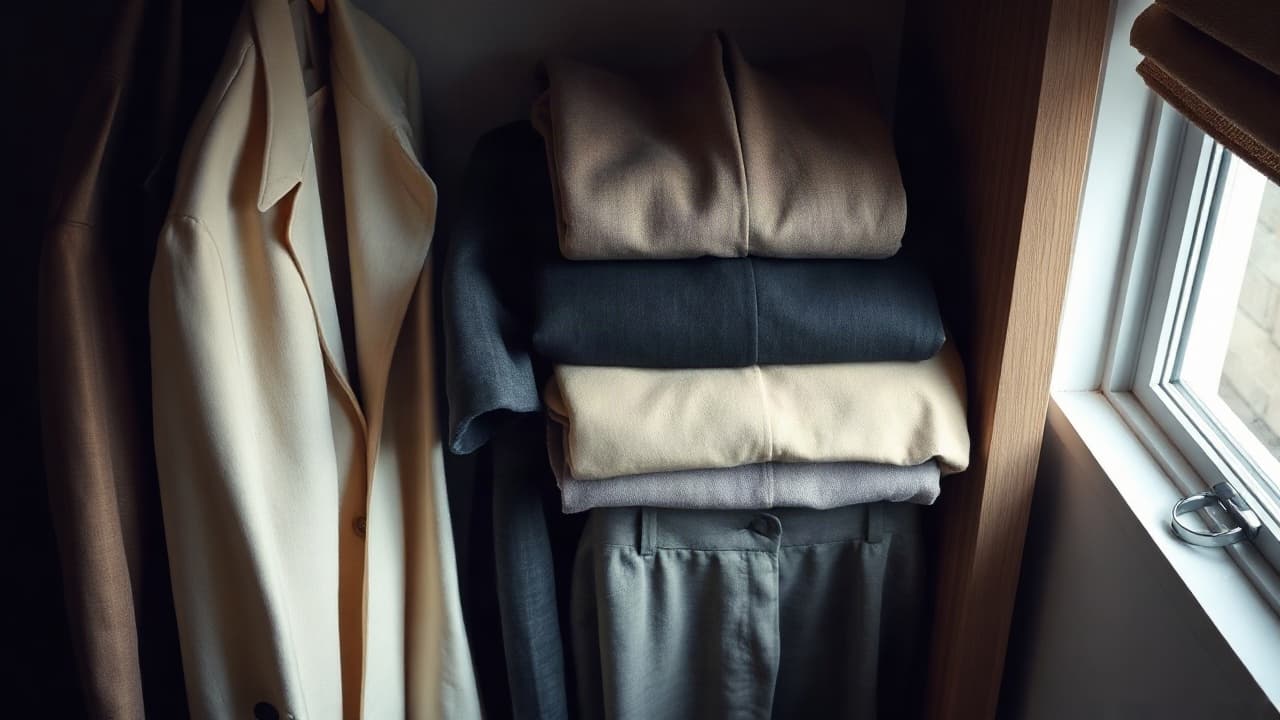
- Wool coats: Hang on a padded, wooden hanger in a cool, dark closet. Cedar blocks or lavender sachets naturally repel moths without the chemical smell of mothballs. Ensure the coat is completely dry before storing to prevent mildew.
- Silk dresses: Hang on padded hangers to prevent creasing at the shoulders. Silk is sensitive to direct light, which can cause fading and brittleness over time. Store in a dark closet or cover with an unbleached cotton garment bag.
- Linen trousers: Fold or hang—both work. If folding, rotate where you fold the crease to prevent permanent creasing. Store in a breathable space; linen needs air circulation to prevent mustiness.
Avoid plastic bags and sealed containers. Natural fibres need to breathe. Plastic traps moisture and encourages mildew and odour.
When to Seek Professional Care
Dry cleaning has its place, but it's not a substitute for regular care. Professional cleaning uses chemicals that, over time, can damage natural fibres and strip their natural oils. Reserve dry cleaning for deep stains or seasonal refresh—not routine maintenance.
For wool coats with stubborn stains, a trusted dry cleaner familiar with natural fibres is worth the investment. Ask specifically for wet cleaning or gentle solvent methods rather than conventional dry cleaning.